TL;DR: Backflow prevention protects clean water from contamination. Testing ensures the device is still working properly and can stop water from flowing the wrong way if system pressure changes.
Why backflow prevention matters
Most people assume water only ever flows in one direction, from the mains into the property. Most of the time, that is exactly what happens.
Under certain conditions, though, water can try to move in the opposite direction. If that happens, contaminated water from within a property can potentially flow back into the clean supply. That is what backflow prevention is designed to stop.
For some properties, this is a compliance issue as well as a maintenance one. For others, it is simply part of keeping the water system safe and doing what it should.
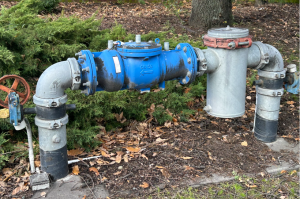
What a backflow device actually does
A backflow device is fitted to prevent reverse flow. In simple terms, it allows water to flow one way but not the other.
If there is a pressure change in the system, the device is there to stop anything from being drawn back toward the main supply. That matters wherever there is any risk that water inside a property could become contaminated.
Where backflow prevention is commonly used
Backflow prevention is especially relevant in properties where there is a greater risk to the water supply.
- Commercial buildings
- Managed facilities
- Properties with irrigation systems
- Sites with higher-risk plumbing setups
- Buildings with compliance requirements
In some cases, residential properties may also need backflow protection, depending on the setup and the level of risk involved.
Why testing is not optional in practice
A backflow device is a safety component. Like any mechanical part, it can wear over time, develop faults, or fail without making the problem obvious.
That is why testing matters. A device might look fine from the outside and still not perform properly when it is actually needed. Testing confirms whether it is working as intended rather than just assuming it is.
What happens during backflow testing
Testing is about checking the device’s condition and operation.
The process usually involves confirming that internal valves are functioning properly and that the device can still stop reverse flow if system pressure changes. If the device is not performing as it should, it can be identified before it becomes a bigger issue.
How often should a backflow device be tested?
That depends on the type of device, the property, and any applicable compliance requirements, but annual testing is common in many setups.
From a practical point of view, the main thing is this: if the device is there to protect the water supply, it needs to be checked regularly enough that everyone can rely on it.
Signs there may be a problem
Some backflow issues are only picked up during formal testing, but there can still be warning signs.
- Visible leaking around the device
- Changes in water pressure
- Unusual noises near the valve or pipework
- A failed test result
- An older device that has not been checked in some time
Any of these can suggest that the device needs attention.
Repair or replace?
Some backflow devices can be repaired if the issue is minor and the rest of the unit is still in good condition. In other cases, replacement is the better option, especially where wear is more significant or reliable performance cannot be restored with confidence.
The decision should come down to whether the device can be trusted to do its job properly, not just whether it can be made to look acceptable for now.
Backflow work is part of ongoing maintenance
Backflow prevention fits naturally into a maintenance-based plumbing service. It is not about new construction work. It is about ensuring existing systems remain safe, compliant, and reliable.
That is why it sits well within the kind of work MJ Robertson does day to day, especially for commercial clients, managed properties, and owners who want confidence that their water systems are properly looked after.