TL;DR: Leak detection and repair is one of the most common reasons people call MJ Robertson. Whether it is a dripping pipe, a hidden leak behind a wall, or water showing up where it should not, the sooner the source is found, the easier it usually is to put right.
When water turns up where it shouldn’t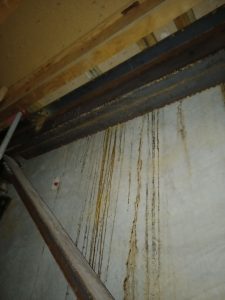
Some leaks are obvious. You open a cupboard and find water under the sink. You notice a pipe dripping. You can see water running down a wall or pooling on the floor.
Other leaks are much harder to spot. The signs are there, but the source is hidden. A ceiling stain appears. A room smells damp. Water pressure drops. The bill goes up for no clear reason. In those cases, the real job is not just fixing the leak. It is finding it first.
That is where a maintenance-focused plumbing team makes a real difference.
Why leak detection matters
A leak is not always about how much water you can see. Sometimes the bigger issue is the amount you can’t see.
Water can travel a surprising distance before it becomes visible. A leak in one part of the property may show up somewhere else entirely. By the time it appears on a wall, ceiling, or floor, it may already have been causing damage for some time.
That is why leak detection is not just about repairs. It is also about protecting the property from ongoing damage, moisture problems, and recurring issues.
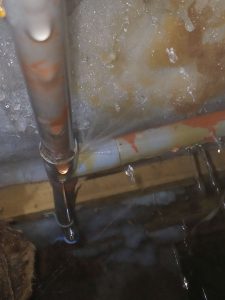 Common signs you may have a leak
Not every leak announces itself loudly. Quite often, the first signs are small.
- Water stains on walls or ceilings
- Damp smells that don’t go away
- Soft, swollen, or discoloured surfaces
- A sudden drop in water pressure
- A water bill that is higher than usual
- The sound of water running when nothing is on
- Wet patches outside when it hasn’t rained
Any of these may indicate a leak. A few together usually mean it is worth getting checked properly.
Visible leaks and hidden leaks
Visible leaks
These are the easier ones to deal with. They might come from exposed pipework, tap connections, toilets, hot water systems, or fittings under sinks. Because the source is usually visible, the repair is often more straightforward.
Hidden leaks
These are the ones that cause the most frustration. A hidden leak may be behind a wall, under the floor, above a ceiling, or outside underground. The signs are there, but the source is not obvious.
In these cases, the process starts with narrowing down where the problem is most likely to be, then tracing it carefully rather than guessing and hoping for the best.
Leak detection for homes, rentals, and managed properties
Leaks do not affect every property the same way.
For homeowners, the concern is often damage to the house and the cost of letting the problem drag on.
For landlords and property managers, there are also issues of tenant disruption, repeated callouts, and the risk of a small plumbing fault turning into a larger maintenance job.
For commercial or managed buildings, a leak can affect multiple areas at once and become a broader building issue if it is not addressed promptly.
That is why a maintenance company like MJ Robertson approaches leak detection with the full property in mind, not just the first damp patch that appears.